Related Posts



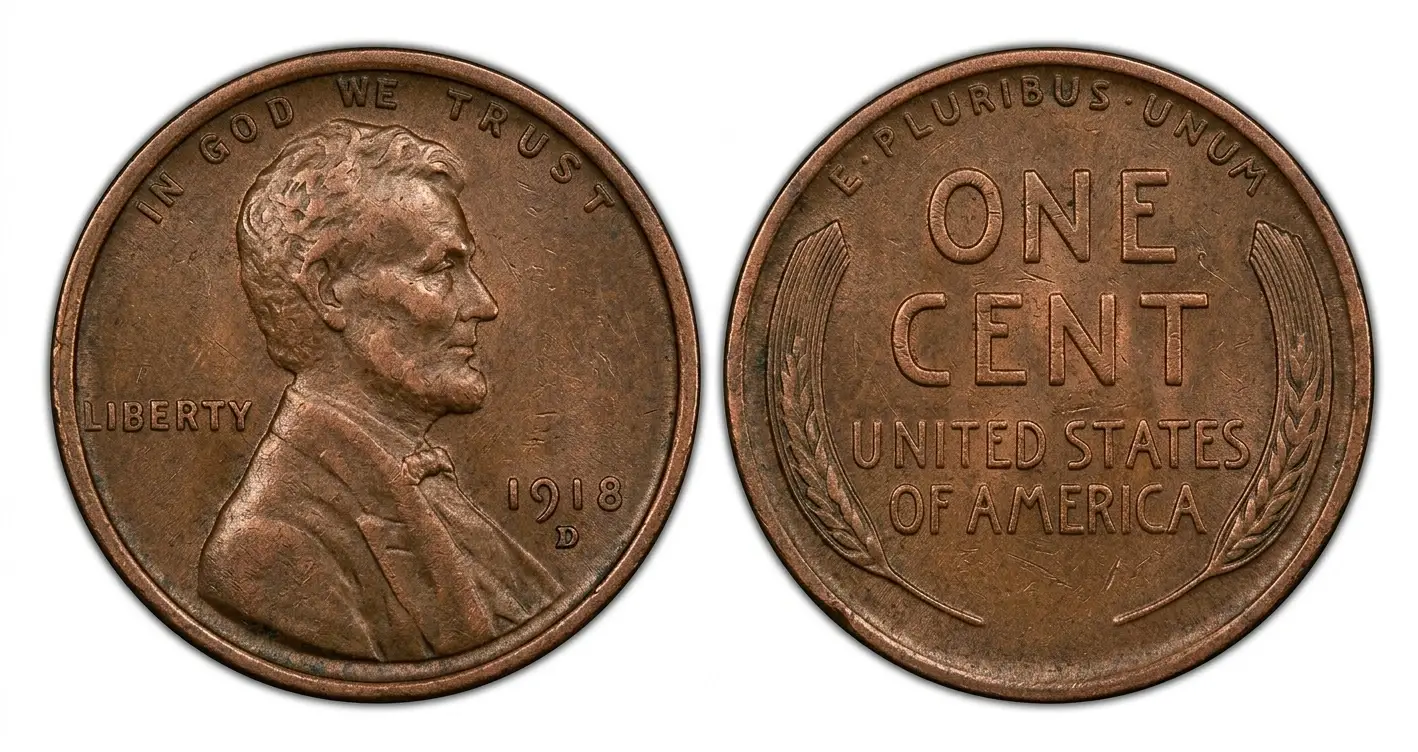

Few areas of U.S. numismatics offer the same range as dollar coins. A single denomination stretches from modern circulation pieces you can still pull from change to historic silver issues that anchor museum collections. That flexibility makes $1 coins attractive at every experience level.
What unites them is not price, but structure. $1 coins worth money reward collectors who understand how value is built—through date, mint, variety, condition, and historical relevance.
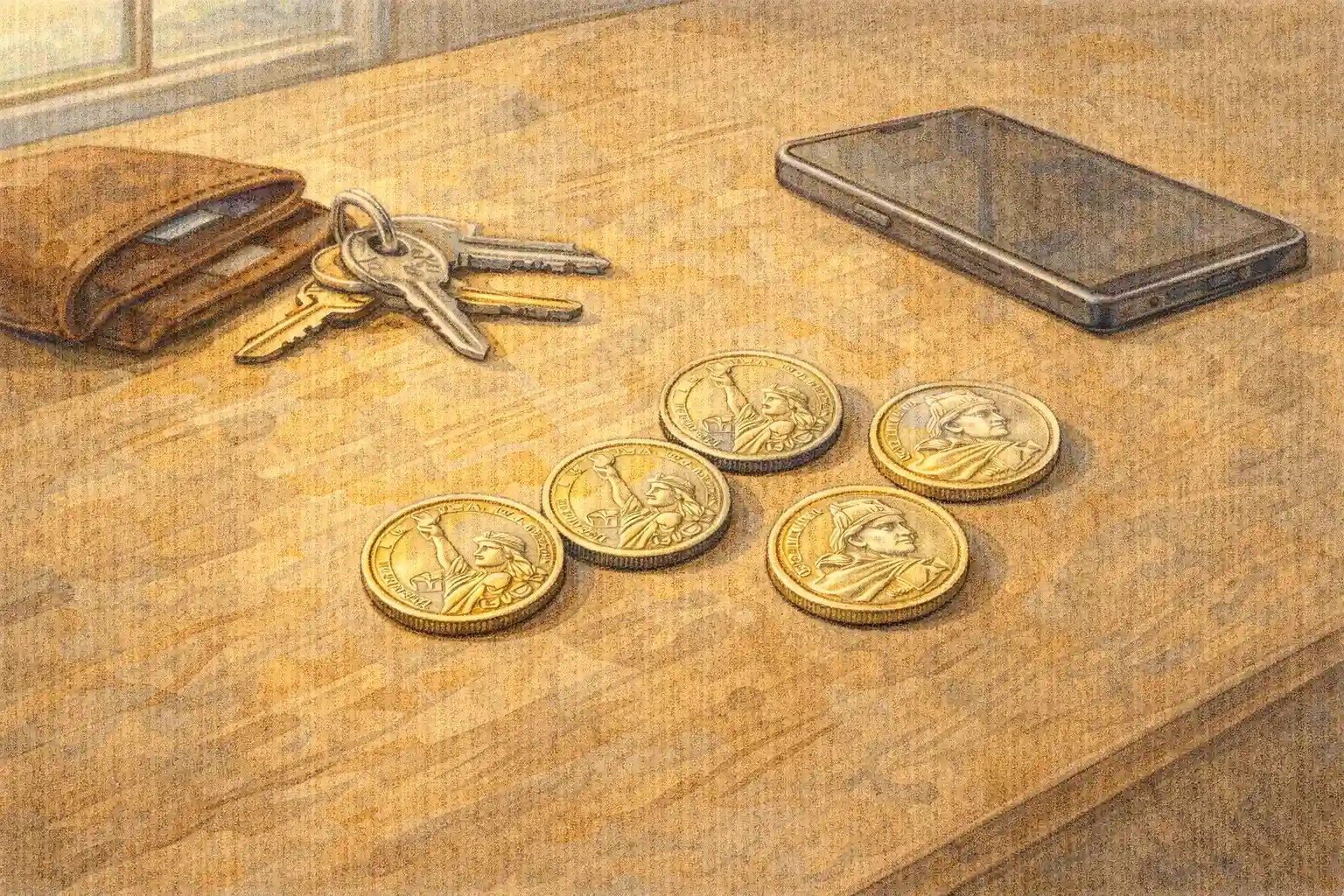
Dollar coin collecting usually begins in one of two places.
Some collectors start with modern circulation dollars, drawn by accessibility and low risk. Others jump directly into classic silver dollars, where history and metal content set a stronger floor.
Both paths are valid. The mistake is mixing them without understanding what drives value in each category.
Since 2000, the U.S. Mint has produced millions of dollar coins intended for everyday use, even if adoption remained limited.
Key modern series include:
Sacagawea Dollars (2000–present)
Presidential Dollars (2007–2016)
Native American Dollars (2009–present)
Most circulated examples trade at face value and are easy to check via the best coin identifier app. Uncirculated pieces typically sell for $2–$4, making them ideal for learning how mint marks, finishes, and edge lettering work.
Value enters the picture when:
Condition reaches top uncirculated levels
Varieties appear, such as satin finishes or position-based edge lettering
Well-known errors surface
A good example is the 2010-D Native American satin finish Position A variety, which commands real premiums while remaining affordable.
Modern dollars are often dismissed because mintages are high. That logic ignores two realities:
Many coins never circulated but were poorly stored
Errors occurred during new production methods
Presidential dollars, for example, introduced edge lettering, creating an entirely new error category. Missing or misplaced inscriptions transformed ordinary coins into certified collectibles.
These are not obscure varieties. They are visible and well-documented, which keeps entry barriers low.
As collectors gain confidence, attention often shifts to silver dollars, where metal content and historical demand overlap.
Common Peace Dollars from the early 1920s still trade close to silver value, according to records in the free coin app, offering:
Tangible metal backing
Recognizable designs
Stable demand
From there, value scales quickly as mintages drop or condition improves. A single date shift—from a common Peace Dollar to a 1928 Philadelphia issue—changes the entire price structure.
Understanding how dollar coins are categorized prevents frustration later.
At a high level:
Accessible tier: modern circulation and basic uncirculated dollars
Mid-tier: common silver dollars and better dates in circulated grades
High-end: low-mintage classics, top-condition silver dollars
Top-tier: historic rarities tied to mint history or global trade
Each tier follows different rules. The earlier you recognize that, the easier it becomes to move upward intentionally.
Dollar coins are not one market. They form several markets stacked vertically. Starting small does not limit ambition, and jumping ahead without structure invites mistakes.
Once collectors move beyond modern circulation dollars, the market changes character. Silver content, survival rates, and mint history begin to dominate pricing. This is where $1 coins stop being casual acquisitions and start behaving like assets.

Mid-tier dollars balance affordability and scarcity. They are common enough to find, yet desirable enough to hold value across market cycles.
Key mid-tier categories include:
Common Peace Dollars (1922–1924)
Widely available and closely tied to silver prices. These coins trade near melt in circulated grades, making them a low-risk entry into classic silver dollars.
Better-Date Peace Dollars
The 1928 Philadelphia Peace Dollar stands out. With a mintage of just 360,649, it commands a substantial premium even in worn condition and escalates rapidly in Mint State.
Select Morgan Dollars
Dates like 1903-O show how perception affects value. Once considered common due to Treasury releases, top-grade survivors are now scarce, pushing gem examples into five-figure territory.
What defines this tier is condition sensitivity. Small jumps in grade can multiply prices. A circulated coin may be affordable, while its Mint State counterpart becomes a serious purchase.
Mint location becomes critical as values rise.
Carson City (CC) dollars carry historic weight tied to western silver mining.
New Orleans (O) issues often show weaker strikes, making high-grade examples elusive.
Philadelphia (no mark) pieces rely almost entirely on mintage and preservation for value.
Collectors at this level start thinking in terms of population reports, not just date lists.
High-end dollar coins sit above metal value entirely. Here, rarity and narrative matter more than silver weight.
Examples include:
1889-CC Morgan Dollar — low mintage and frontier history combine to push prices into the tens of thousands.
Early Trade Dollars — especially Carson City issues struck for overseas commerce. Survivorship is low, demand is global.
These coins rarely appear casually. When they do, they are usually already certified, researched, and priced accordingly.
Not all high-value dollars are old. Certain modern varieties bridge the gap between accessible and elite.
The 2000-P “Cheerios” Sacagawea is a prime example. Distributed in cereal boxes, its enhanced tail feathers went unnoticed for years. Today, certified examples compete with classic silver coins for attention and price.
This crossover appeals to collectors who want:
Modern minting quality
Clear diagnostics
Strong documented demand
Tier | Typical Driver | Collector Focus |
Mid-Tier | Silver + better dates | Grade sensitivity |
High-End | Low mintage, history | Provenance |
Modern Elite | Varieties, promotion | Certification |
Mid-tier and high-end dollar coins reward patience and precision. Silver provides stability, but scarcity defines trajectory. Understanding how mint marks, survival rates, and condition interact prepares collectors for the final leap—into top-tier territory, where ownership is rare and mistakes are expensive.
At the highest level, dollar coin collecting shifts from accumulation to curation. Top-tier examples are scarce, heavily studied, and rarely appear without context. Moving into this space requires discipline, verification, and long-term intent.
Top-tier dollars share several traits:
Low original mintage or limited survival
Strong historical narrative
Established demand across decades
Clear certification and provenance
These coins are not purchased casually. They are planned acquisitions.
Several issues consistently anchor elite dollar collections.
1889-CC Morgan Dollar
With just 350,000 struck and many lost to melting, this Carson City issue remains one of the most sought-after silver dollars. Even circulated examples demand four figures.
Trade Dollars From Carson City
Coins like the 1873-CC Trade Dollar reflect U.S. global trade ambitions. Survivors are rare, and top examples bring six-figure results.
Proof-Only Issues
Certain dates exist only as proofs, creating built-in scarcity that transcends grade trends.
These coins sit at the intersection of history and rarity. Price follows naturally.
At this level, authentication and attribution are mandatory.
Best practices include:
Buying only PCGS or NGC–certified coins
Reviewing population reports before bidding
Studying auction archives for pricing consistency
Digital tools assist in early stages. Apps like Coin ID Scanner help organize collections and compare specifications across thousands of issues, making it easier to spot inconsistencies before deeper research or professional consultation.
Preservation becomes part of ownership.
Keep coins in certified holders
Store in climate-controlled environments
Avoid unnecessary handling or reholdering
Top-tier coins lose value through neglect faster than through market shifts.
Collectors who succeed follow a clear progression:
Learn with modern dollars and affordable varieties
Transition into silver classics tied to metal value
Target better dates and condition-sensitive issues
Commit to top-tier pieces with research and patience
Skipping steps often leads to regret. Each tier builds knowledge needed for the next.
Collectible $1 coins form a complete ecosystem—from accessible modern pieces to historic rarities that define American numismatics. The key is recognizing which rules apply at each level.
Start where risk is low. Study where value accelerates. Move upward only when preparation matches ambition. That approach turns a single dollar into a collection with depth, direction, and lasting relevance.
No Comments